
A rented winter, guaranteed peace of mind.
One tenant, one winter: the case for seasonal rental in Chamonix
Most conversations about renting out a Chamonix property focus on short-term rentals — weekly bookings, platform listings, nightly rates. And for good reason: the numbers can be compelling.
But there is another model that many overseas owners overlook, and that suits a specific type of owner very well: seasonal rental. One tenant, for the entire winter season — typically January to April, sometimes December to April — paid in full before they move in. No rotation, no platform, no weekly logistics.
This article is not an argument against short-term rental. It is an honest look at what seasonal rental actually offers, who it works best for, and how the two models can be combined to get the best of both.
What seasonal rental actually means
A seasonal rental in Chamonix typically covers the winter season: January to April, or December to April for owners who want a longer let. The tenant signs a fixed-term lease, pays in full before moving in, and occupies the property continuously for the entire period. One entry inspection, one exit inspection, one security deposit. That is the entire administrative structure for three to five months and outside of a genuine maintenance issue, you are unlikely to hear from your property at all during that time.
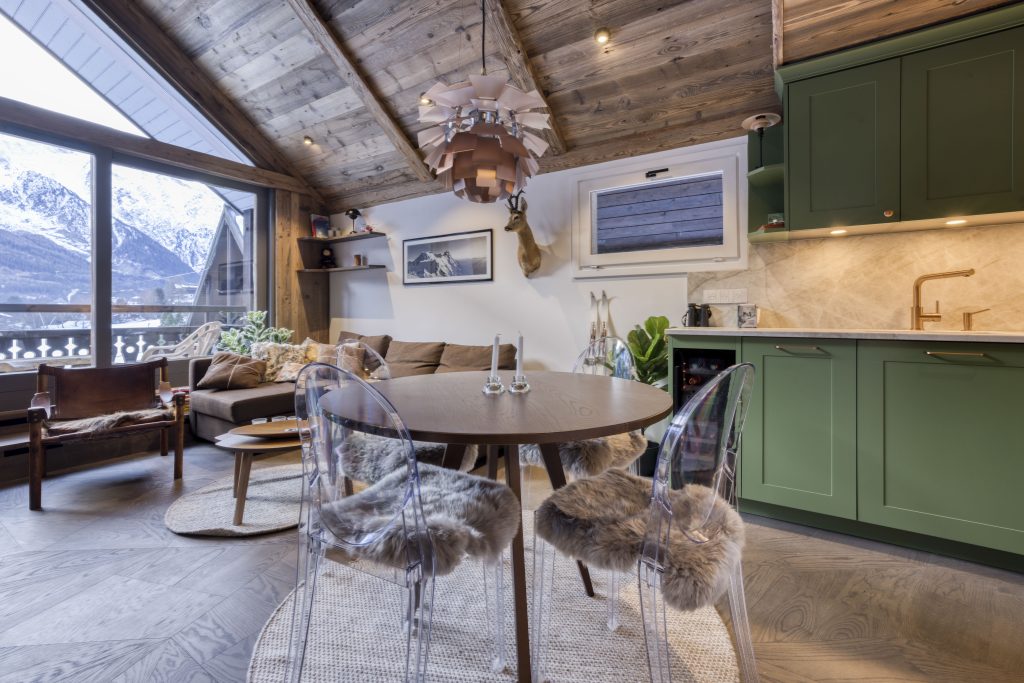
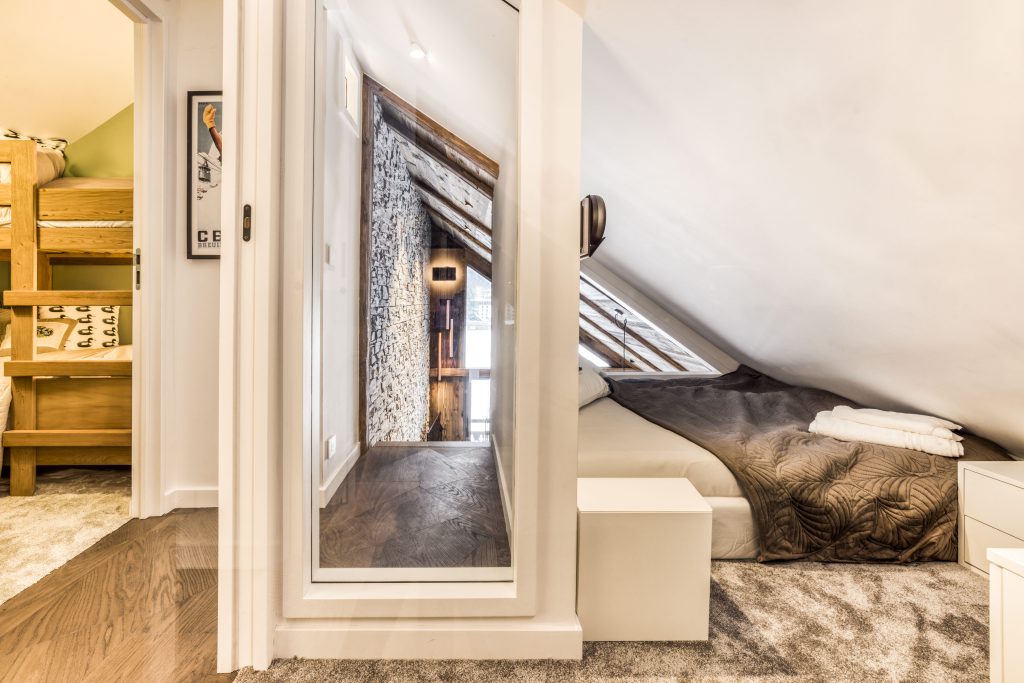
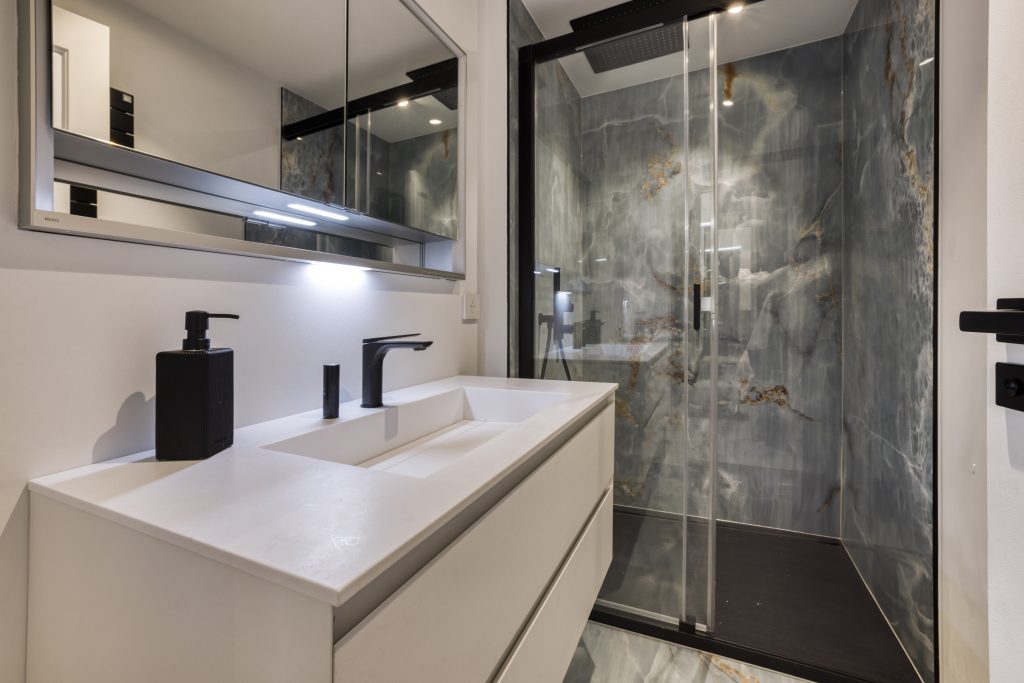
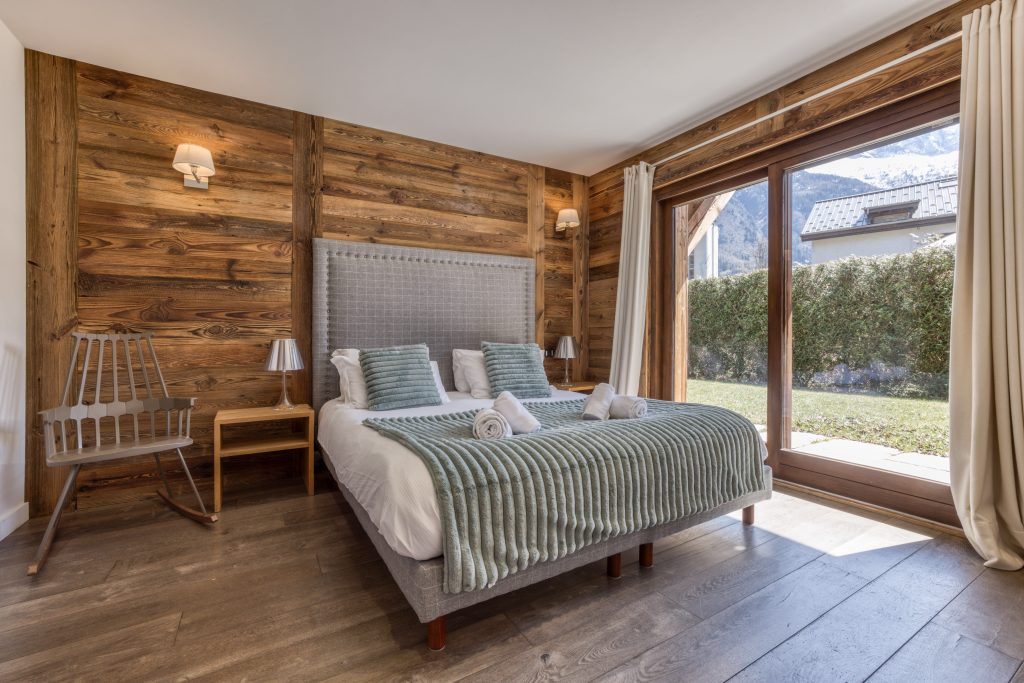
The tenant lives in the property. They treat it accordingly. Someone who will be living in a property for three to four months has a fundamentally different relationship with it than someone passing through for a long weekend. They notice when something needs attention. They respect the appliances, they look after the furniture because it is their home for the season, not a hotel room for the week. That distinction, over several months, makes a real difference to the condition of the property at handover.
Who actually rents seasonally in Chamonix?
This is a question many owners do not think to ask — and the answer matters, because it directly affects the quality of the tenancy.
The seasonal rental market in Chamonix is more varied than most people expect. The profiles we see most regularly include:
– Itinerant professionals — consultants, remote workers, freelancers — who base themselves in Chamonix for a season and work between the valley and their home city
– Families from Geneva, Turin or Milan who spend too much time driving back and forth on winter weekends and prefer to take a chalet for the season
– Young professionals from London who want to spend a season in the mountains, splitting their time between Chamonix and the UK — often working remotely part of the week
– Entrepreneurs or executives who have sold a business, taken a sabbatical, or simply decided to give themselves a proper winter season after years of short ski breaks
– People who want to experience living in Chamonix before committing to a purchase — discovering the different areas of the valley, understanding what daily life actually looks like, and deciding whether they want to buy
– Active retirees who have always wanted to spend a full season in the Alps and finally have the freedom to do so
– Serious outdoor athletes — guides, alpinists, professional skiers — who need a base in the valley for the full season
What these profiles share is a commitment to being in Chamonix for the duration, and a genuine interest in living well in the property rather than simply passing through. For a property owner, that is exactly the right tenant.
The revenue question: closer than you might think
Seasonal rental rates in Chamonix are high — significantly higher than in most Alpine resorts. A well-located four-bedroom chalet can command between €4,500 and €12,000 per month during the winter season. Over three to five months, that represents €13,500 to €60,000 in gross income, paid in full before the tenant moves in.
Short-term rental can generate higher peak nightly rates. But the net comparison is more nuanced than it first appears. Seasonal rental involves no platform commissions, no cleaning fees between stays, no linen costs per rotation, and significantly lower operational overhead. When these are deducted from short-term gross revenue, the net figures for both models are often comparable — and in some cases, seasonal rental comes out ahead.
The honest answer is that it depends on the property, its location, and how well the short-term calendar would realistically be filled. What is certain is that seasonal rental is not the lower-revenue option it is sometimes assumed to be.
Predictable income, paid upfront
Beyond the level of income, there is the question of certainty. Short-term rental revenue depends on occupancy — weather, competing listings, last-minute cancellations all play a role. A poor January can meaningfully affect the season’s total.
Seasonal rental pays a fixed amount, in full, before the tenant takes the keys. You know in October exactly what your winter income will be. For owners managing a property budget, a mortgage, or annual expenses from abroad, that certainty has real value.
Keeping your property for yourself — when you want it
A well-structured seasonal lease defines the rental period clearly. Outside of that period, the property is yours — available for your own use, for family visits, or for short-term rental during the summer months when demand is strong.
This brings us to the model that works particularly well for overseas owners with Chamonix properties: seasonal rental in winter, short-term rental in summer.
The hybrid model: the best of both
Winter — January or December to April — you have one tenant, guaranteed income paid upfront, and complete peace of mind. You do not think about your property for the season.
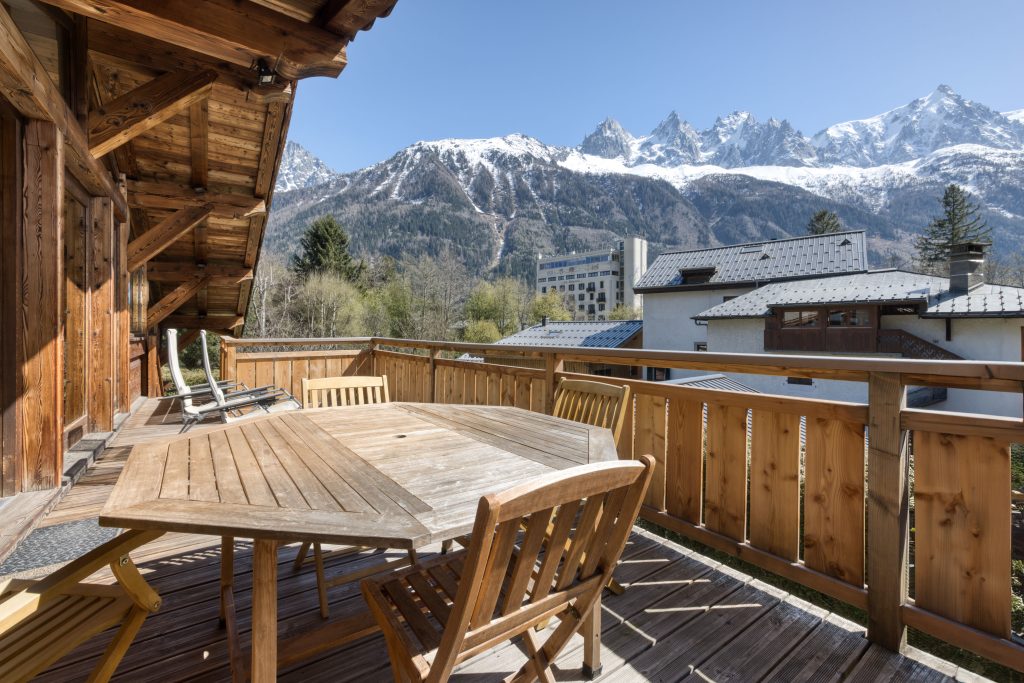
Spring and summer — May to September — the property is available for short-term rental during periods of high tourist demand: UTMB in late August, the summer hiking and climbing season, families looking for alpine alternatives to beach holidays.
Autumn — October and November — the quieter interseason. Your own use, reduced-rate short stays, or simply a break from rental activity while you plan the following winter.
This structure gives you predictable winter income paid upfront, flexibility for personal use, and the option to capture summer short-term revenue when it suits you. It is not a compromise between the two models. It is a deliberate combination of both.
Who seasonal rental works best for
Not every owner is the right fit for seasonal rental, and it is worth being clear about this.
It works well for owners who value predictability and simplicity. For owners who use the property themselves outside the winter season. For owners who want a long-distance relationship with their property that requires minimal involvement during the rental period.
It works less well for owners who want to optimise nightly revenue above all else, or who have no interest in the property outside the winter season and are looking to maximise occupancy across all twelve months.
If you are unsure which model fits your situation, contact us for a valuation of which approach would work best for you.
Are you considering renting out your property in Chamonix?
Season in the Alps, a brand operated by Pangea Services, manages seasonal and weekly rentals for overseas property owners in the Chamonix Valley. If you want to understand what your property could realistically generate under either model — or a combination of both — we are happy to walk through it with you.